
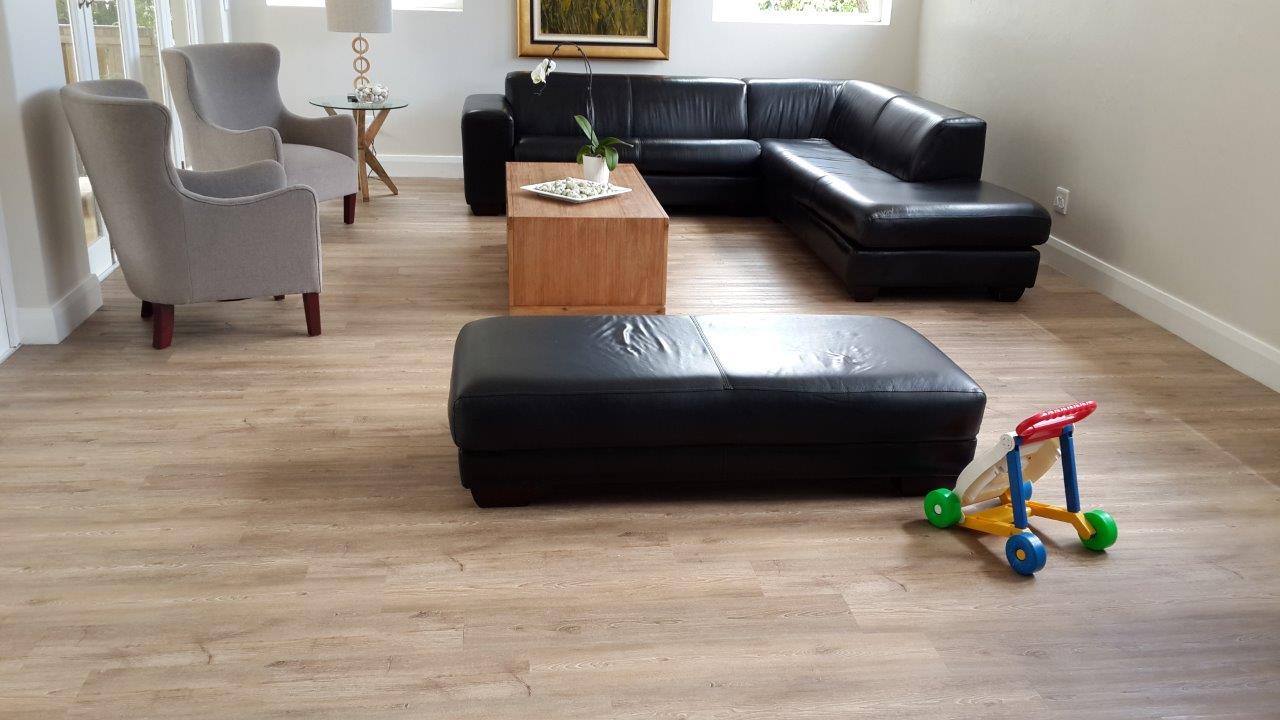

Laminate flooring is suitable for quick renovations that can last a long time if installed correctly, it can be fitted into most areas of any home (usually with the exception of wet rooms). We do recommend water resistant laminate in wet areas. Contact us if you want the best laminate floors in Durban!
Step one: Inspect the sub-floor
Poor
flooring conditions are the number one reason for a laminate project to fail.
The most
important checks to make are for moisture and floor levels. It is always the
responsibility of the installer to determine if the floor conditions are
acceptable although you may wish to check this yourself before purchasing a
floor.
Step two: Laminate floor underlay
It is important to use
the right kind of laminate flooring underlay. Onto a concrete sub-floor you
must use underlay which has a damp proof membrane. There are various features
and benefits to this, such as leveling and insulating underlays.
Step three: Installing the laminate floor
It is a good idea to lay the first row so that they are parallel to the longest wall in the room, wedge a spacer between the end and edge of the board and the wall for expansion.
Shorten the first piece of laminate flooring in the second row so
the joints in this row will be offset (staggered) in relationship to the first
row. Use a wooden block to tap the next row of boards into the first making
sure that the gaps between the boards are properly closed.
When you reach the opposite wall or have to do odd shaped rooms, you will probably have to trim boards. Measure how much you need and then cut the plank with a table or mitre saw.
Finally remove the spacers around the border and install skirtings to cover the gap between the wall and the flooring.